project-highlight-image

Cyclone Heavy-Lift Firefighting Drone — Mechanical Systems Design

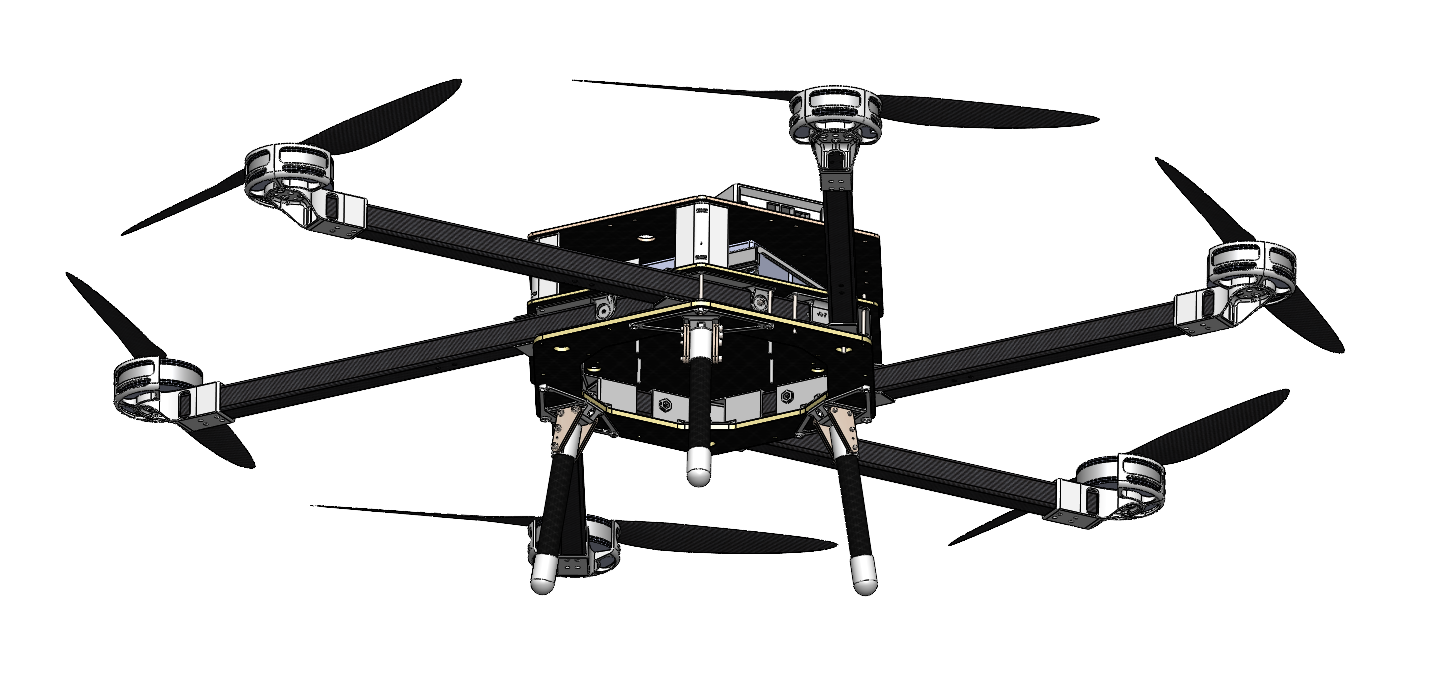
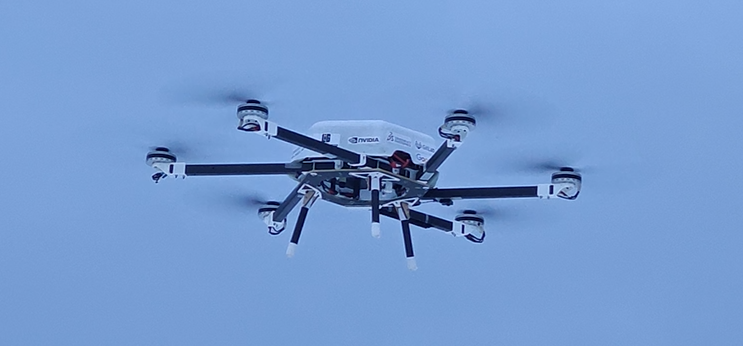
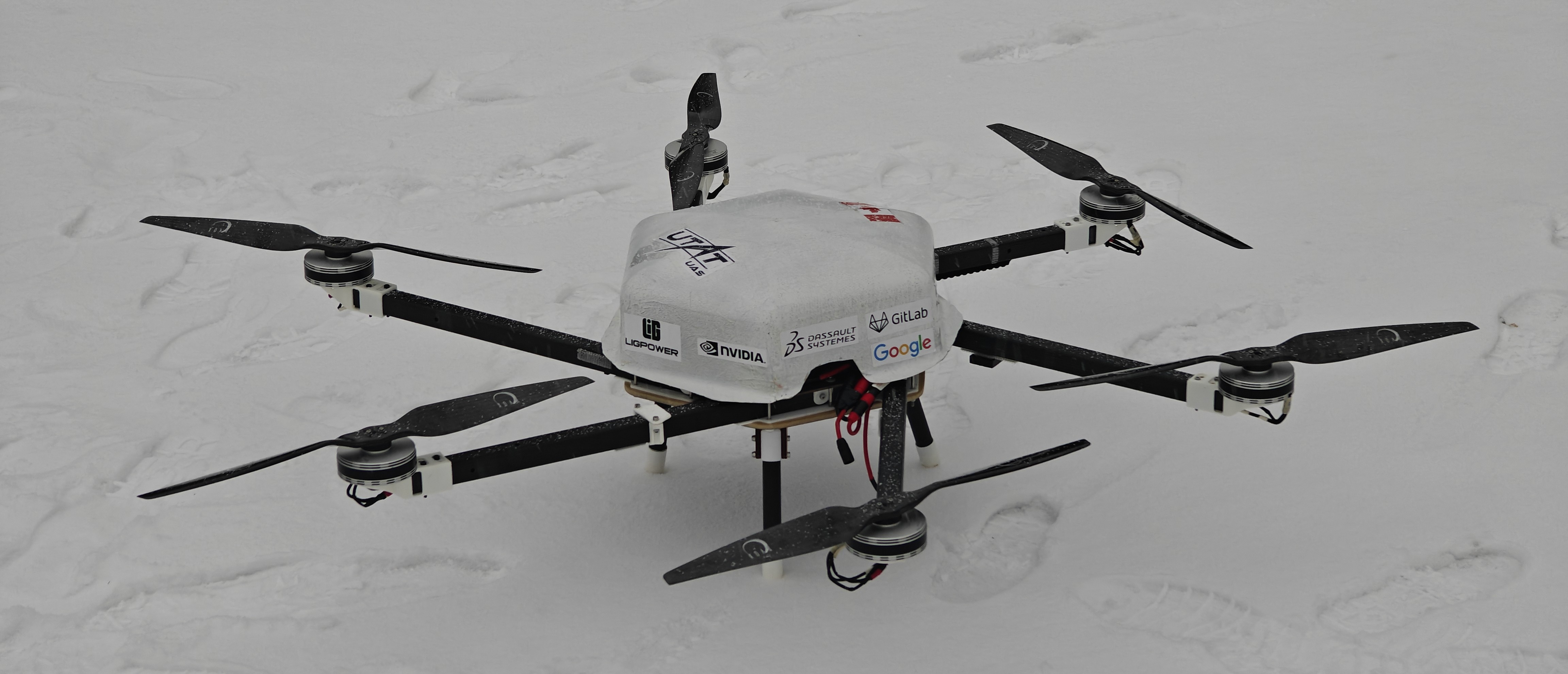
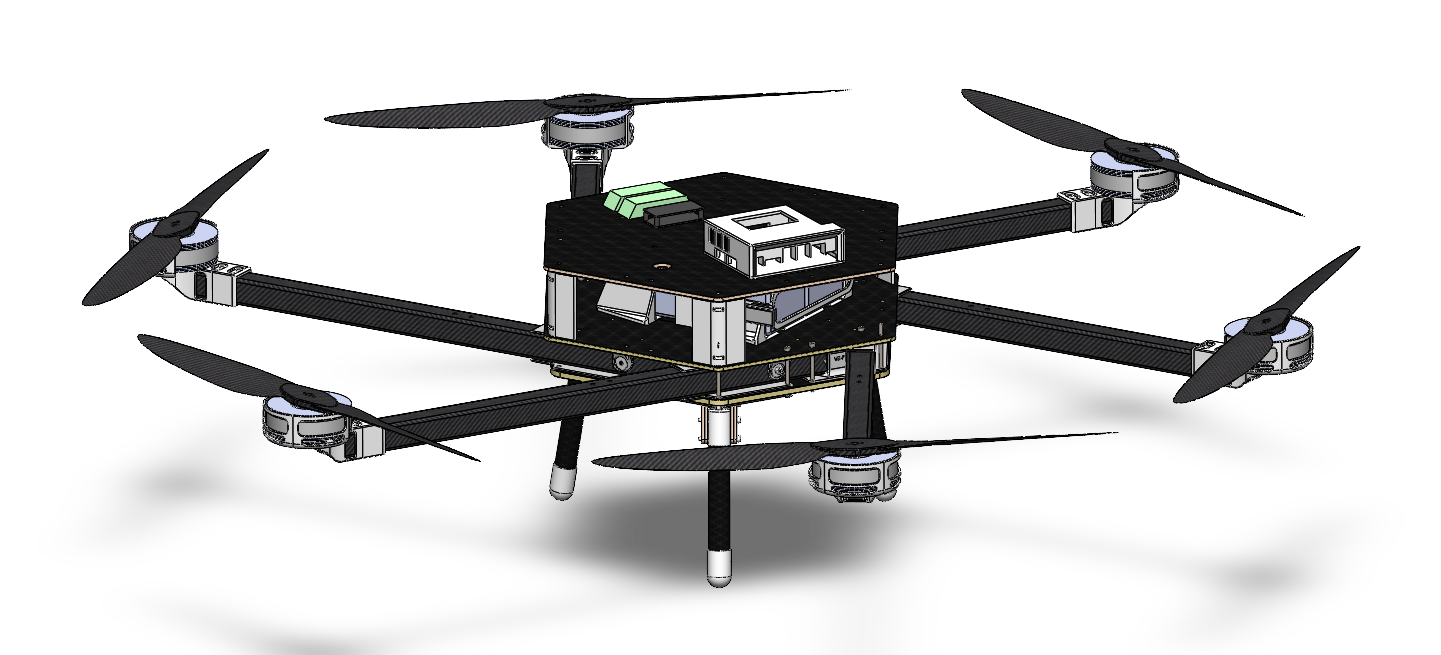
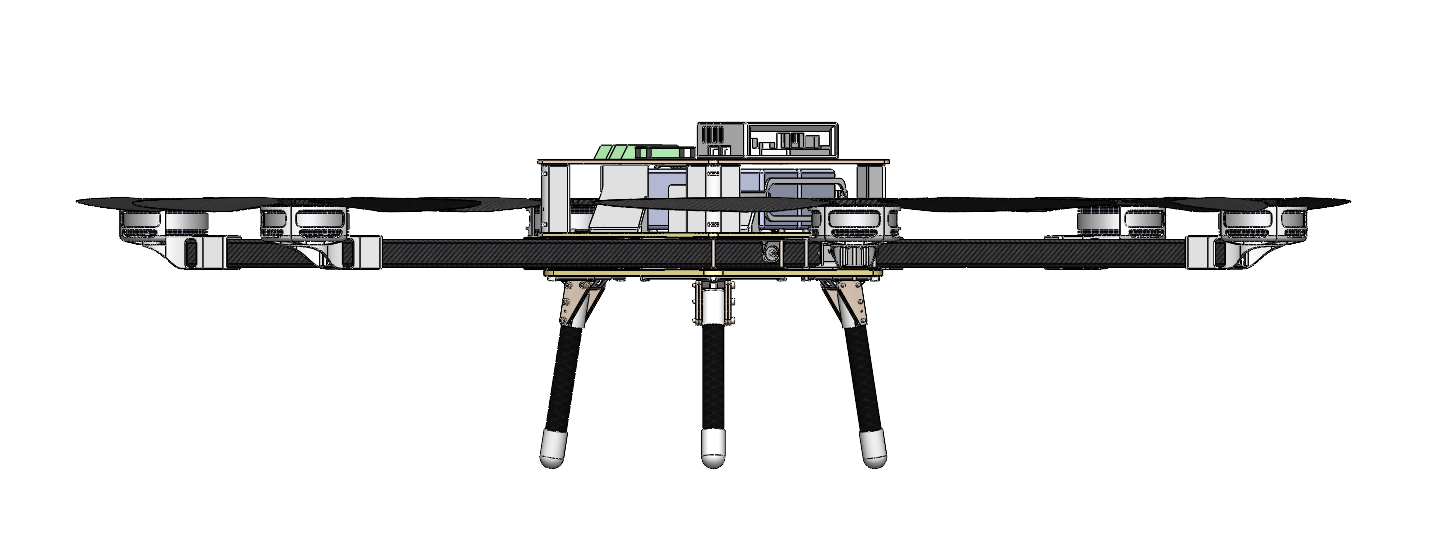
The Cyclone is a heavy-lift multirotor drone designed for a firefighting mission profile, requiring high structural rigidity, environmental durability, and the ability to carry payloads of up to 5 kg. I was responsible for the entire mechanical design of the aircraft, including the airframe, landing gear, and all fastener interfaces, from concept generation through fabrication and assembly. The design emphasized payload capacity, stiffness, vibration resistance, and manufacturability, validated through iterative prototyping and finite element analysis (FEA). The mechanically complete system is assembled and ground-tested, with initial flight testing scheduled for late May to early June.
Home
Questions?
hero-image

frank Hao

Project Timeline

Sep 2025 - Current

HighlightS

  • Designed the complete mechanical architecture of the Cyclone heavy-lift multirotor drone, including airframe, landing gear, and all fastener interfaces, supporting a 6-propeller platform rated for up to 5 kg payload under a firefighting mission profile.


  • Led end-to-end mechanical development from concept generation through detailed CAD and fabrication, producing final flight-ready components using resin molds and carbon-fiber layups for the primary airframe structure.


  • Engineered a rigid quick-release payload mounting interface, designed to safely transmit full payload loads while enabling rapid attachment and removal under safety and mission constraints.


  • Designed landing-gear geometry optimized for flat but variable real-world surfaces (tarmac, grass, snow), prioritizing stability and impact tolerance during repeated takeoff and landing cycles.


  • Performed FEA validation on airframe members, landing gear, and fastener interfaces to ensure robustness under worst-case payload loading and operational conditions.


  • Selected and applied material systems strategically, using ASA and carbon-fiber-reinforced ASA for structural components, PETG for rapid prototyping, and TPU elements for localized vibration damping and mechanical isolation.


  • Executed approximately 12 design iterations across airframe and landing-gear components, resolving common additive-manufacturing failure modes—including layer delamination, warping, and anisotropic weakness—through refining geometry and material selection.


  • Modeled and assembled full SolidWorks assemblies with interference detection and fastener-level tolerance control


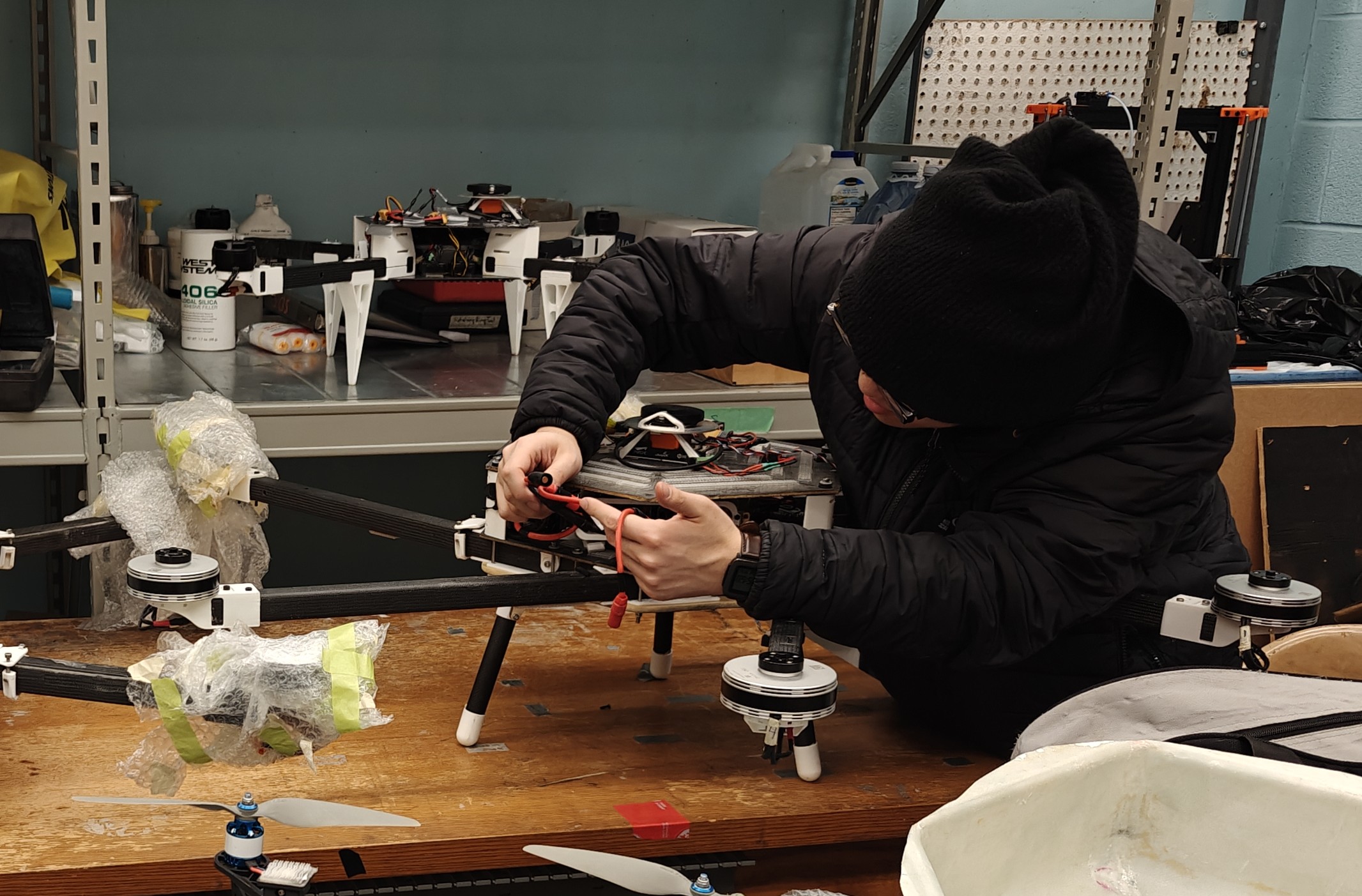
  • Validated mechanical performance through physical assembly, fit testing, FEA correlation, and ground testing, confirming improvements in rigidity, vibration resistance, weather durability, manufacturability, and overall structural efficiency.


  • Delivered a mechanically complete airframe system scheduled for initial flight testing in late May to early June, meeting payload capacity, robustness, and competition safety requirements.


SKILLS

Airframe structural design
Landing-gear geometry
Payload mounting and quick-release interfaces
Fastener interface and fit design
SolidWorks part and assembly modeling
Interference detection and constraint control
Structural FEA
Additive Manufacturing & Materials
FDM printing with ASA, CF-reinforced ASA, PETG, and TPU
Print-orientation and layer-strength optimization
Wall-thickness and internal-reinforcement design
G-code interpretation and modification for print optimization
Multi-material prototyping for structural and damping components
Composite Manufacturing
Carbon-fiber layups using resin molds
Structural component fabrication
External Links

Screenshot 2026-01-05 191243.png

Screenshot 2026-01-05 191231.png

Screenshot 2026-01-05 191300.png

Screenshot 2026-01-05 194953.png

IMG20260103163038.jpg

IMG20260103175011.jpg

| lowinertia |
Engineering Portfolio in 15 minutes
Create Your Portfolio