

Design
- Produced fully dimensioned engineering drawings with GD&T for thruster components and coordinated fabrication with on-campus machine shop
- Developed a high-voltage experimental testbed inside a vacuum chamber (~10⁻⁴ Torr), including emitter/extractor power routing, heater integration, and electrical isolation strategies
- Designed and built a plume diagnostic suite (Faraday probe and retarding potential analyzer) to indirectly measure thrust, specific impulse, and plume divergence
- Created a DAQ and motion-control system using an NI multifunction DAQ, stepper motor driver, and MATLAB to automate radial plume sweeps and synchronized current measurements
- Modeled expected emission site spacing, I–V behavior, and thrust performance using analytical FEEP theory and validated predictions against experimental data
Results
- Experimentally demonstrated 80 µN thrust, 8,000 s specific impulse, and 12.55 W power draw, validating gallium as a viable, lower-hazard FEEP propellant for micro-propulsion applications
Gallery
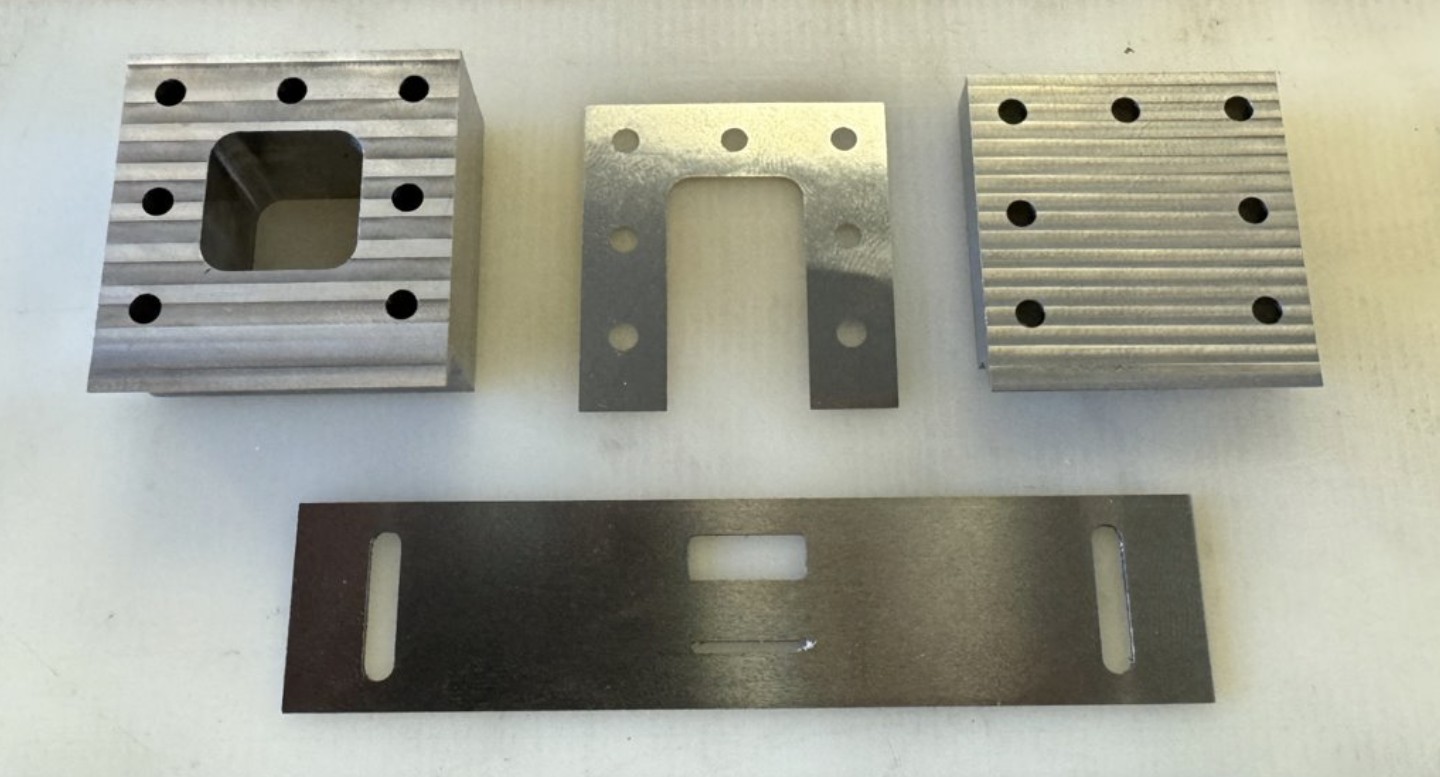
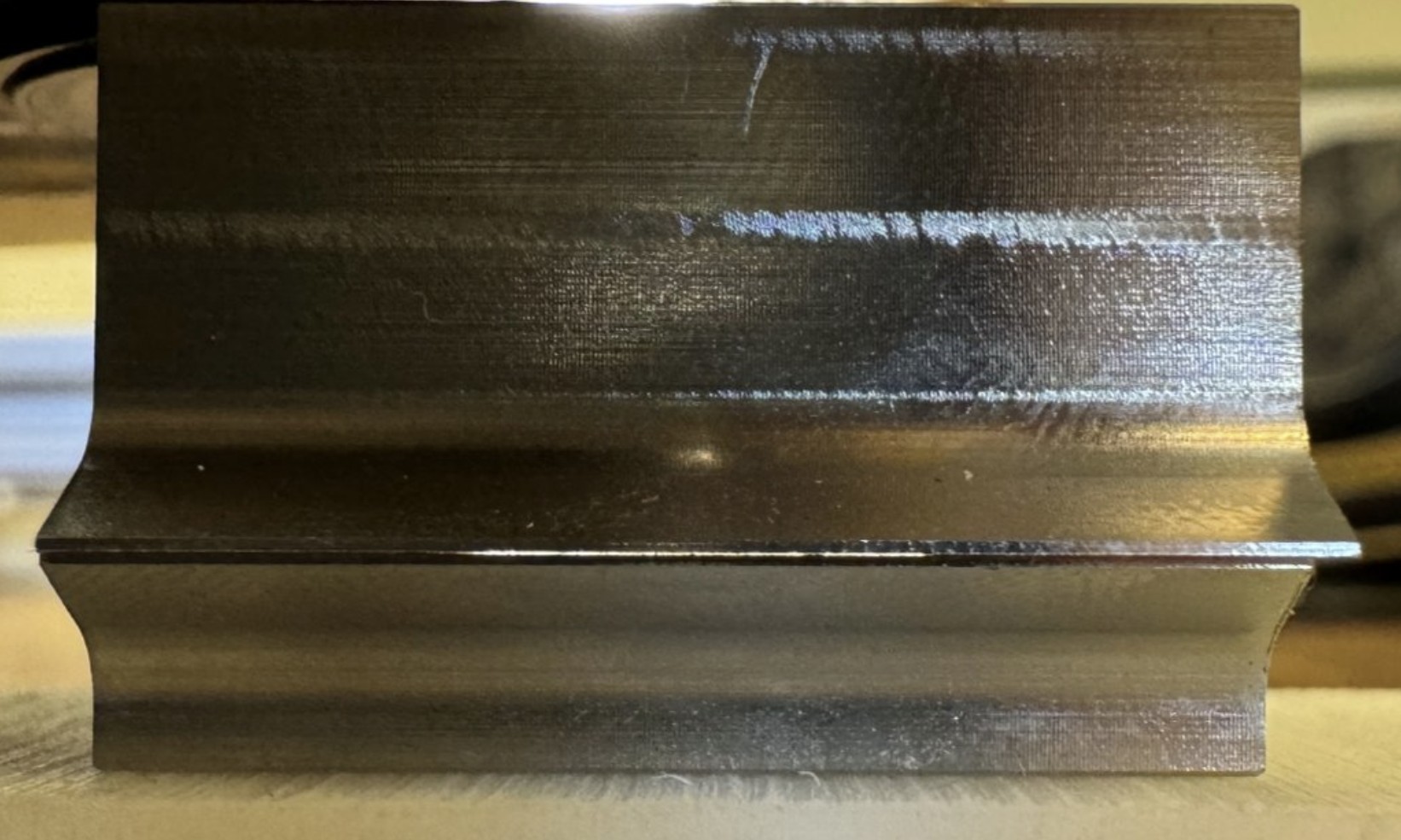
Fig. 1: (left) Metal components of thruster, and (right) assembled thruster without electrode to show slit. Note the white line on tip; this is light coming from the slit.
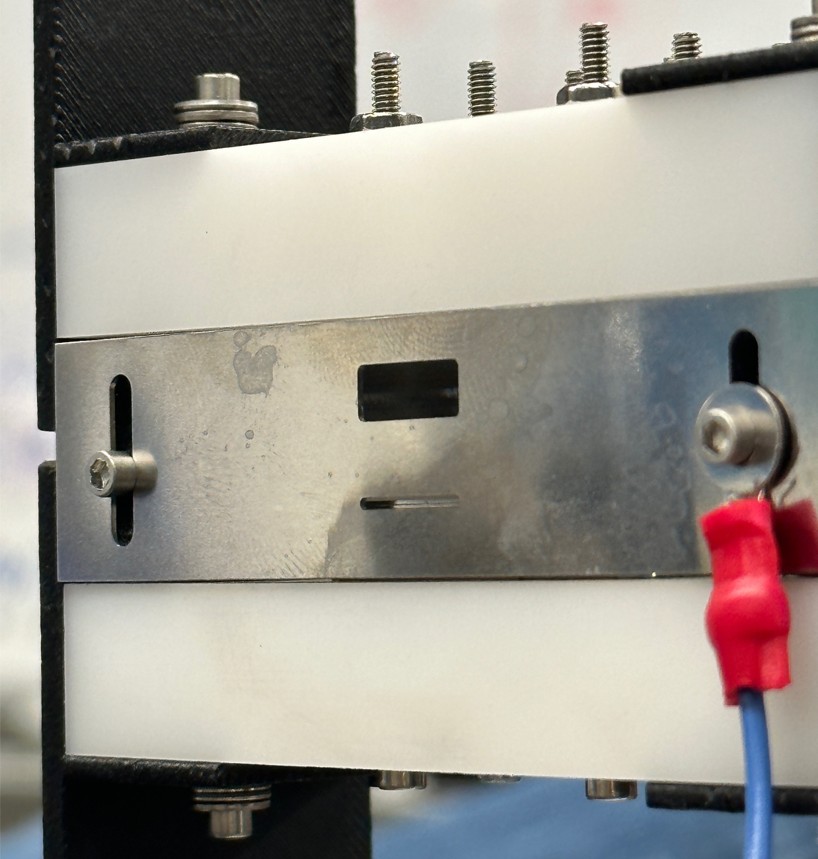
Fig. 2: Closeup shot of thruster emission site. See thin slit behind extractor electrode
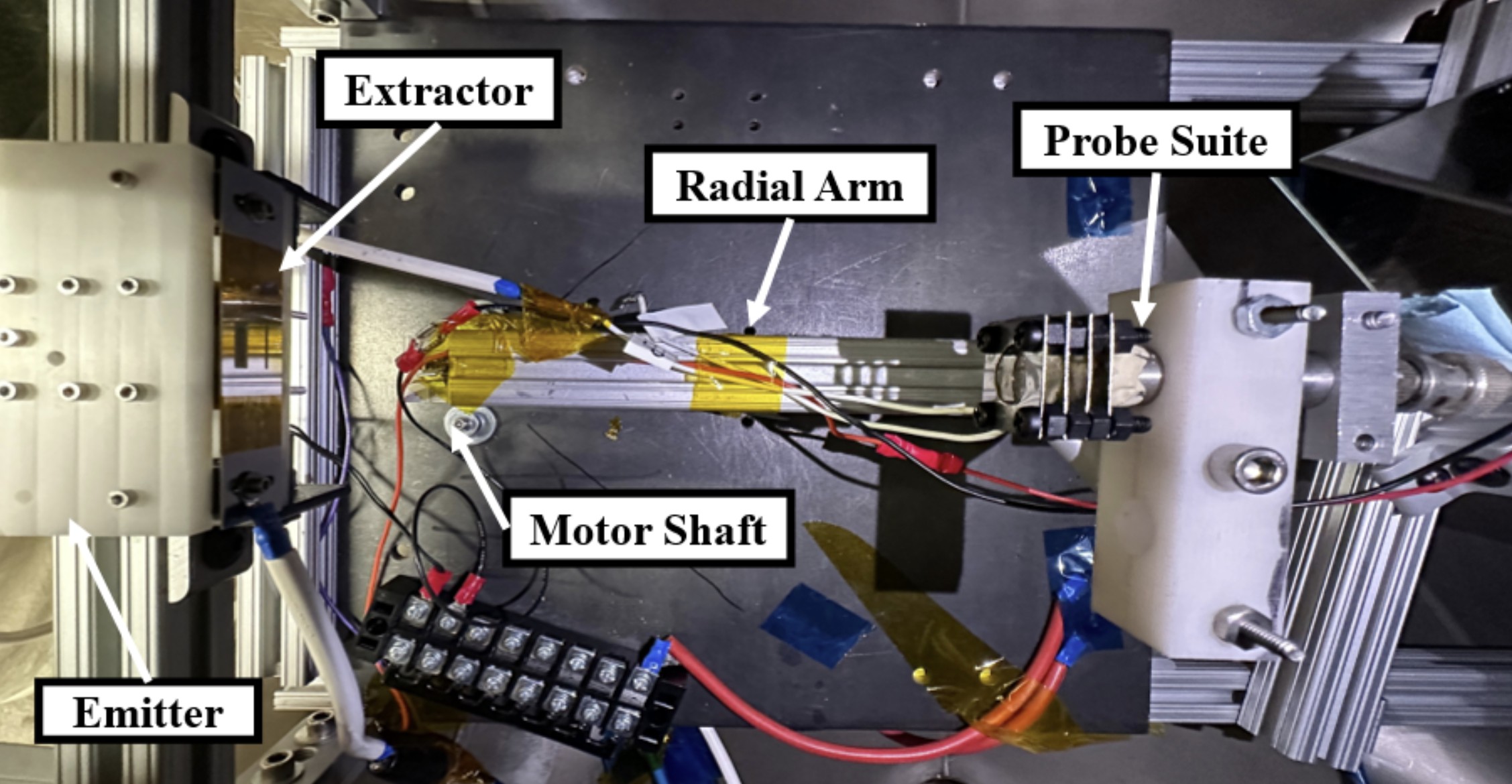
Fig. 3: Labeled experimental testbed setup
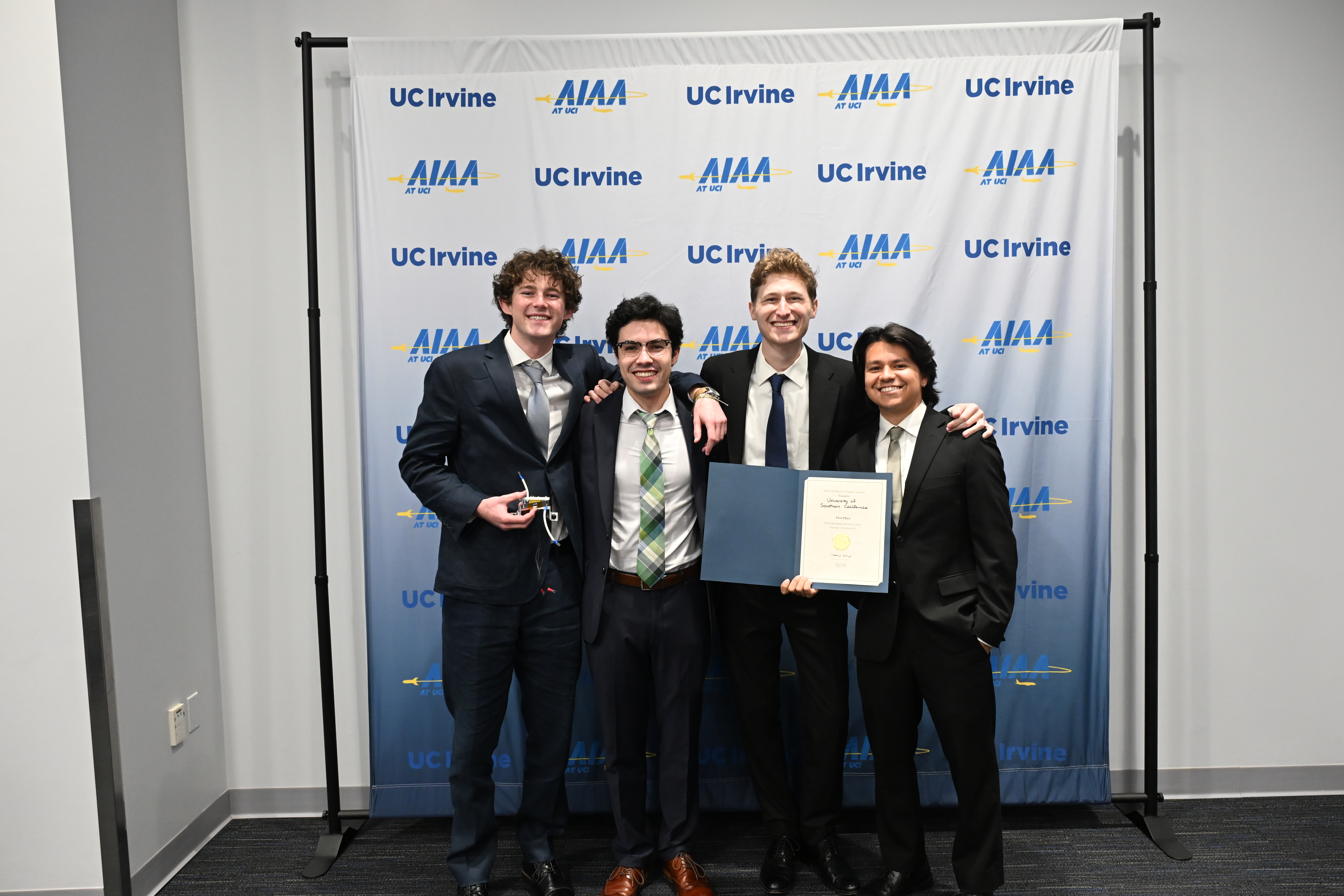
Fig. 4: My team and I after presenting at AIAA and being awarded first place for undergraduate teams.