hero-image
HOME
hero-image
project-highlight-image

Air Water Flows Research Lab

hero-image
Wayne Toh

Project Timeline

Aug 2021 - May-2022

OVERVIEW

Undergraduate Research Assistant investigatings air layer drag reduction (ALDR) as a potential method to minimize frictional resistance on marine vessels, which accounts for roughly 60% of a cargo ship’s propulsive power requirements. By generating a thin air layer between the hull and surrounding water, ships can significantly reduce viscous drag, leading to substantial fuel savings and environmental benefits

HighlightS

Designed and tested a hydrogen bubble generator for studying bubble-induced drag reduction.

Implemented electrolysis-based hydrogen generation using 250 V DC with controlled relays.

Conducted experiments with varying wire materials and lengths to optimize bubble nucleation rates.

Performed CFD analysis and SolidWorks modeling for system design validation.

Fabricated a wave generation rig and display tank, achieving consistent wave patterns at variable speeds.

Contributed to experimental setup enabling visualization of frictional flow under controlled conditions.

SKILLS

CADFabricationCNC MachiningCFD

Additional Details

Goals

Frictional drag accounts for approximately 60% of a typical cargo ships propulsive power requirements. Air layer drag reduction is one technique that may enable significantly reducing a ship’s frictional resistance, and hence have a significant economic and environmental impact. To generate the air layer, instead of utilizing continuous slots to introduce the gas, use of discrete gas injection ports may be more advantageous.


Tasks

I was tasked to work in a team to design a hydrogen bubble generator using electrolysis through a 250V DC power supply with relays to probe bubble nucleation site on a platinum wire to visualize frictional flow. We tested with different types and length of wire to determine the ideal rate. Then, we used a 1kW photographic lamps to visualize flow speeds of 0.1 to 8m/s in tank, controlled by 2 potentiometers. We were still researching and testing so the timeline was insufficient for a complete product. 

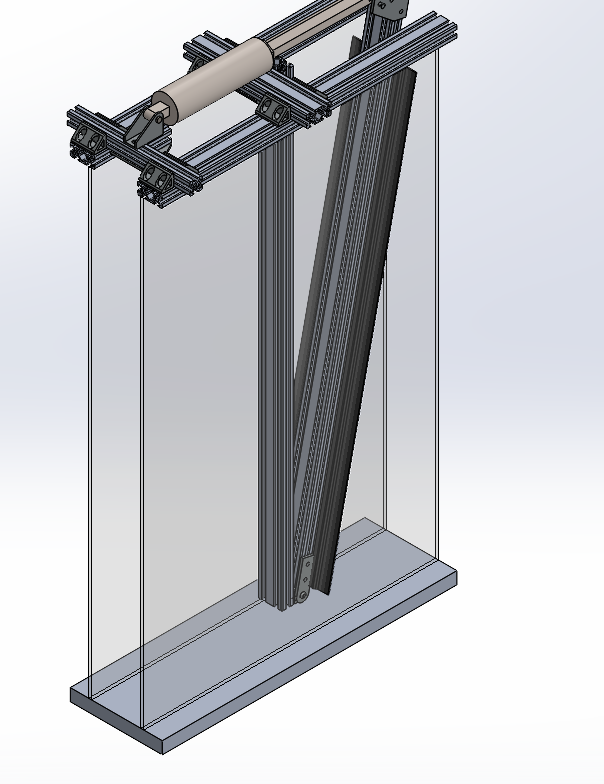
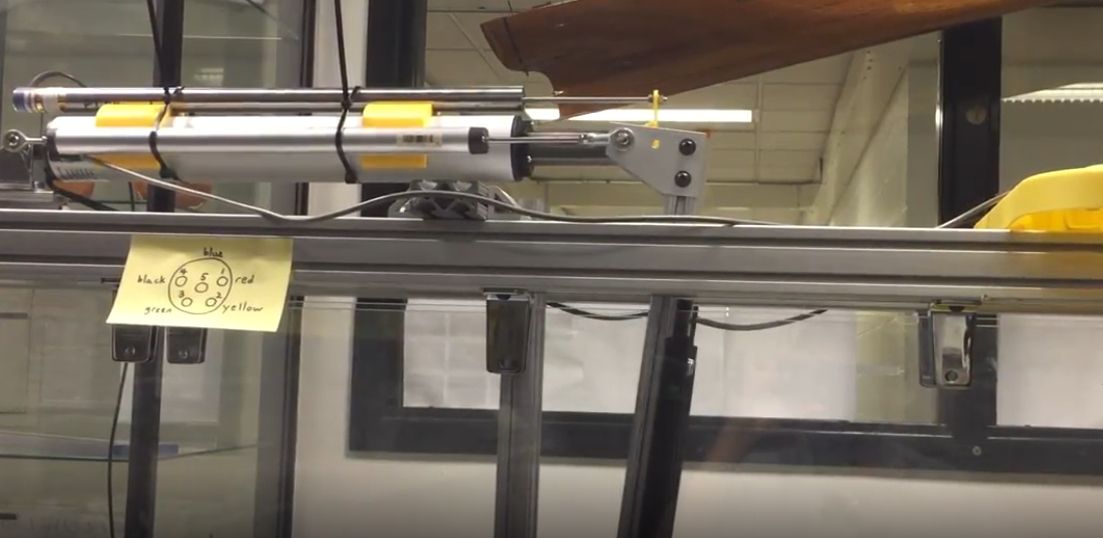
At the same time, I worked on fabricating a wave generator rig for testing. I assisted in using SolidWorks and analyzing CFD simulations for system modeling, integrating circuitry designing safety parameters.
urap wave generator.png

Results

Assembly of testing rig using fabrication processes including machining of off-the-shelf components. Successful testing of wave generation at different speed and capacity and visualization of flow.

urap wave generator real.png

urap tank fab.png

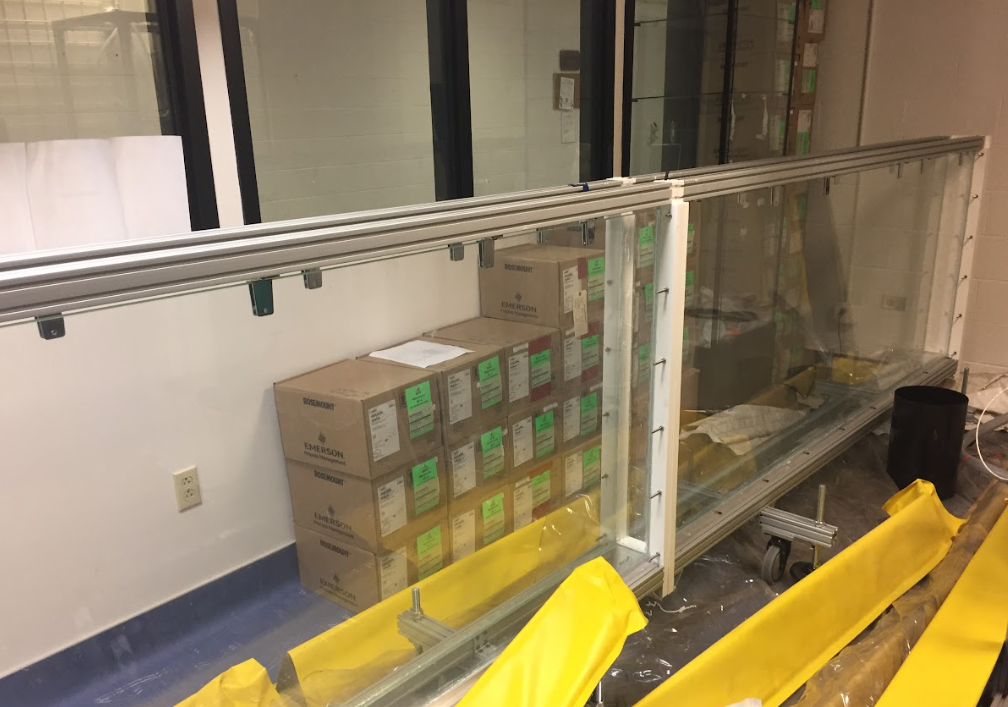
                                              Fabrication of display tank

lowinertia
Portfolio Builder for Engineers
Created by Aram Lee
© 2025 Low Inertia. All rights reserved.