


Due to confidentiality agreements the only information that can be displayed is the public information that was shown during my presentation
Needs Statement
Endovascular equipment companies need a cheaper, more reliable means of simulating different peripheral artery disease (PAD) lesion composition and morphologies in order to more accurately test the efficacy of minimally invasive PAD ablation devices.
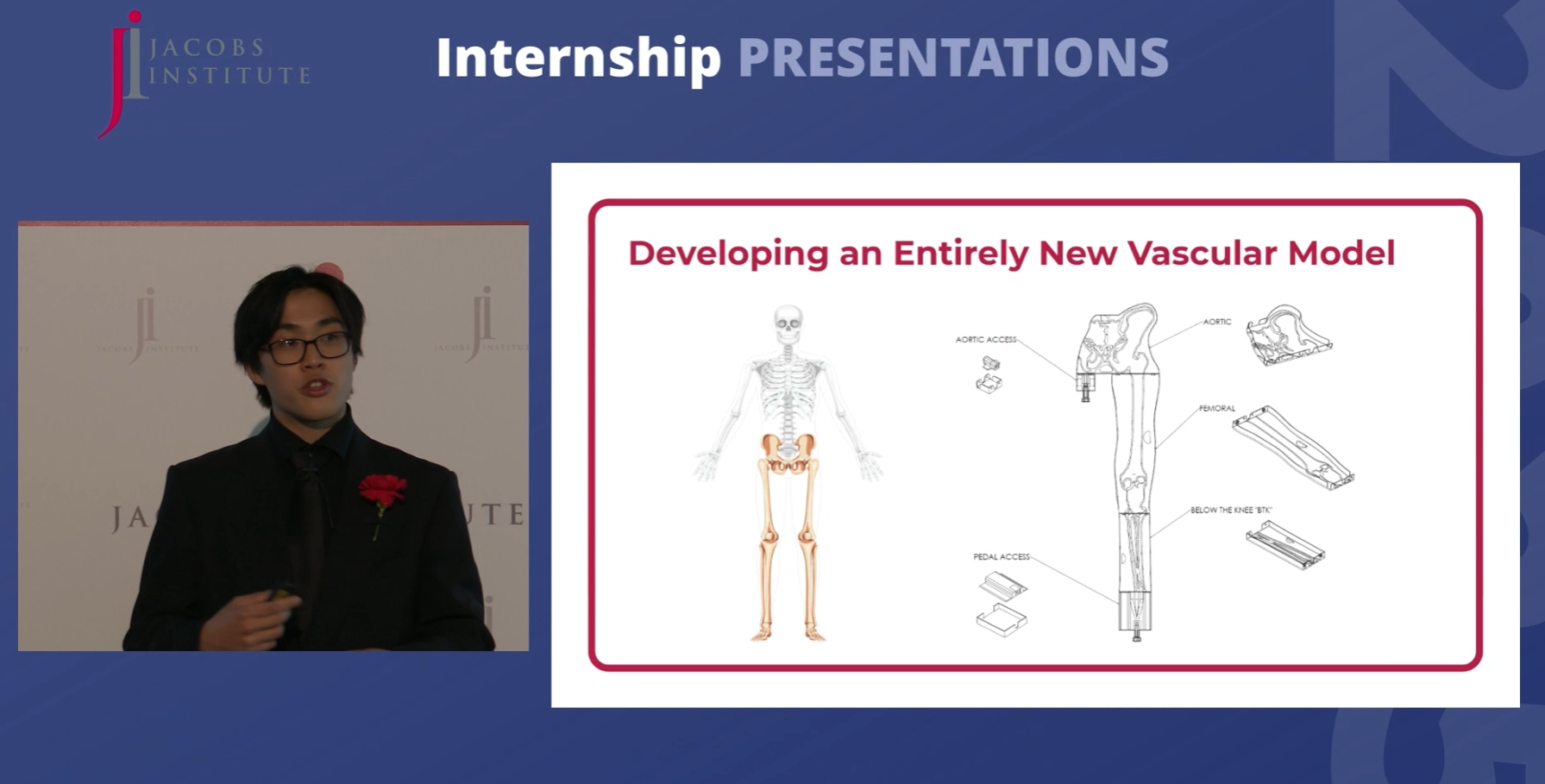
Over the course of 10 weeks at the Jacobs Institute, I developed a modular peripheral artery disease (PAD) simulation kit capable of simulating 30+ types of lesion morphologies including different levels of stenosis, the presence clots, calcium, and necrotic tissue.
The model was built on the concept of Polyjet printed models, which use multimaterial resins to 3D print different properties, and relies on SOLIDWORKS design families to design and create different lesion morphologies.
Deliverables and Design Insights
I oversaw the development and fabrication of an anatomically accurate representation of the peripheral vasculature, one of the first ones developed at the JI.
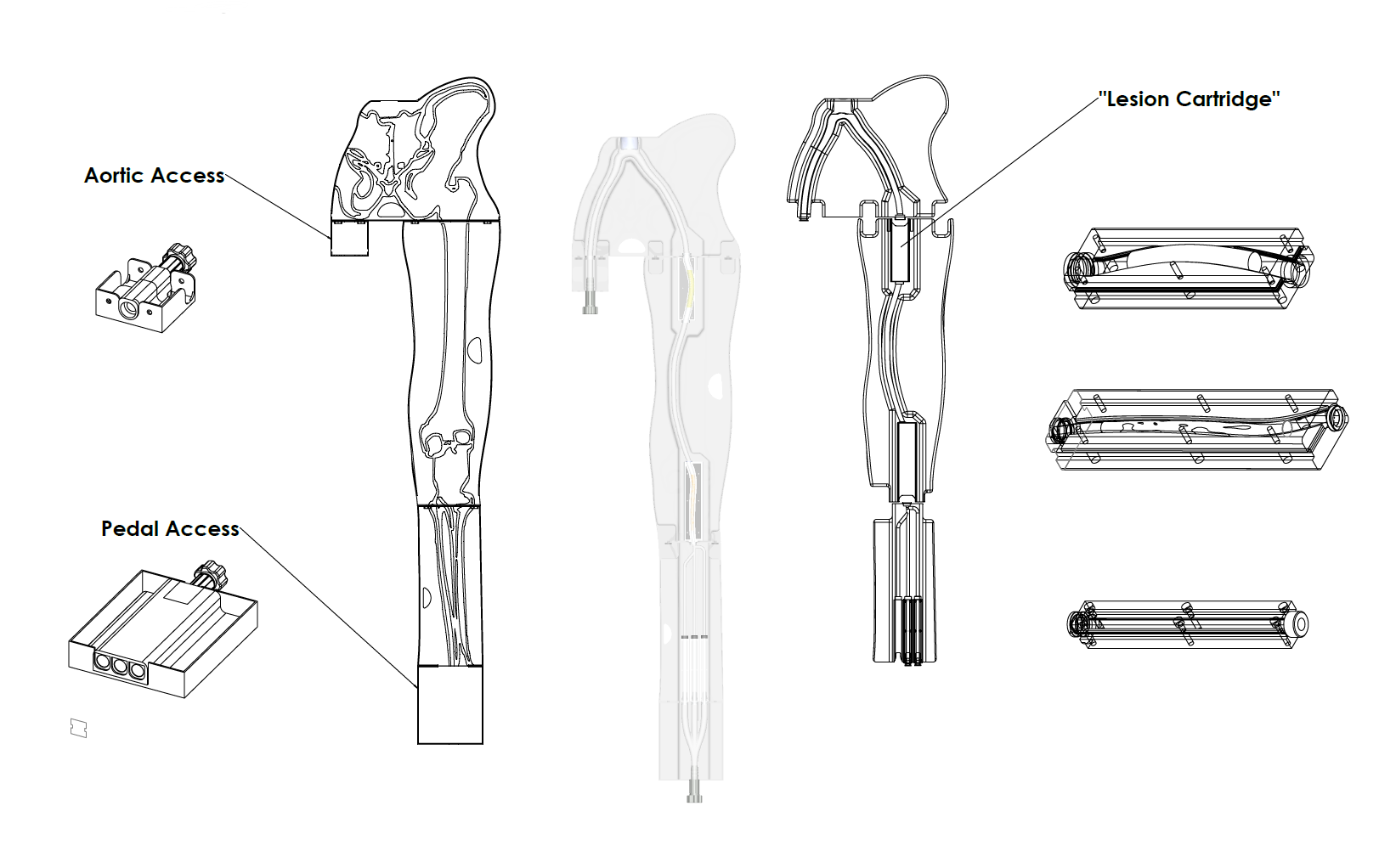
With the assistance of multimaterial print properties via a Stratasys J850 Digital Anatomy printer, I developed a library of pre-generated lesion inserts that could be built modularly via SOLIDWORKS design families. These would be inserts simulating typical lesion disease states that products like Abbott and Philips develop products for, such as the Philips Diamondback 360 which targets calcified stenosis. These cartridges were either re-useable with screws or "break-apart" which would allow clinicians to determine ablation efficacy post operation. In total this accounted for over 30 lesions.
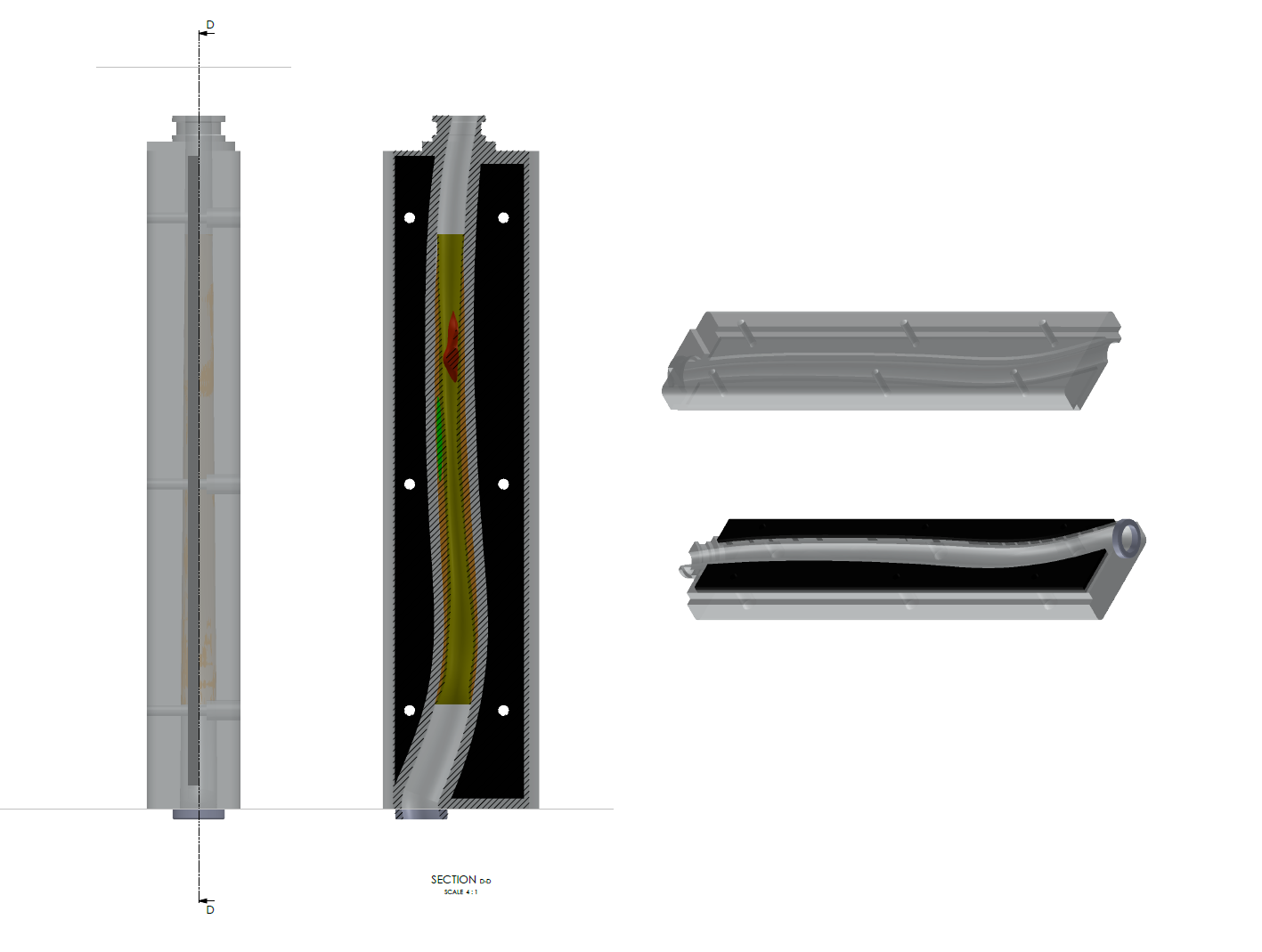
Lesion material properties were characterized as part of a larger design of experiments with an instron, which helped demonstrate lesion material reliability across print batches.
I additionally developed python algorithms in developing the vasculature to ensure that the vasculature I modeled was anatomically representative of typical peripheral vasculature, with respect to tortuosity.
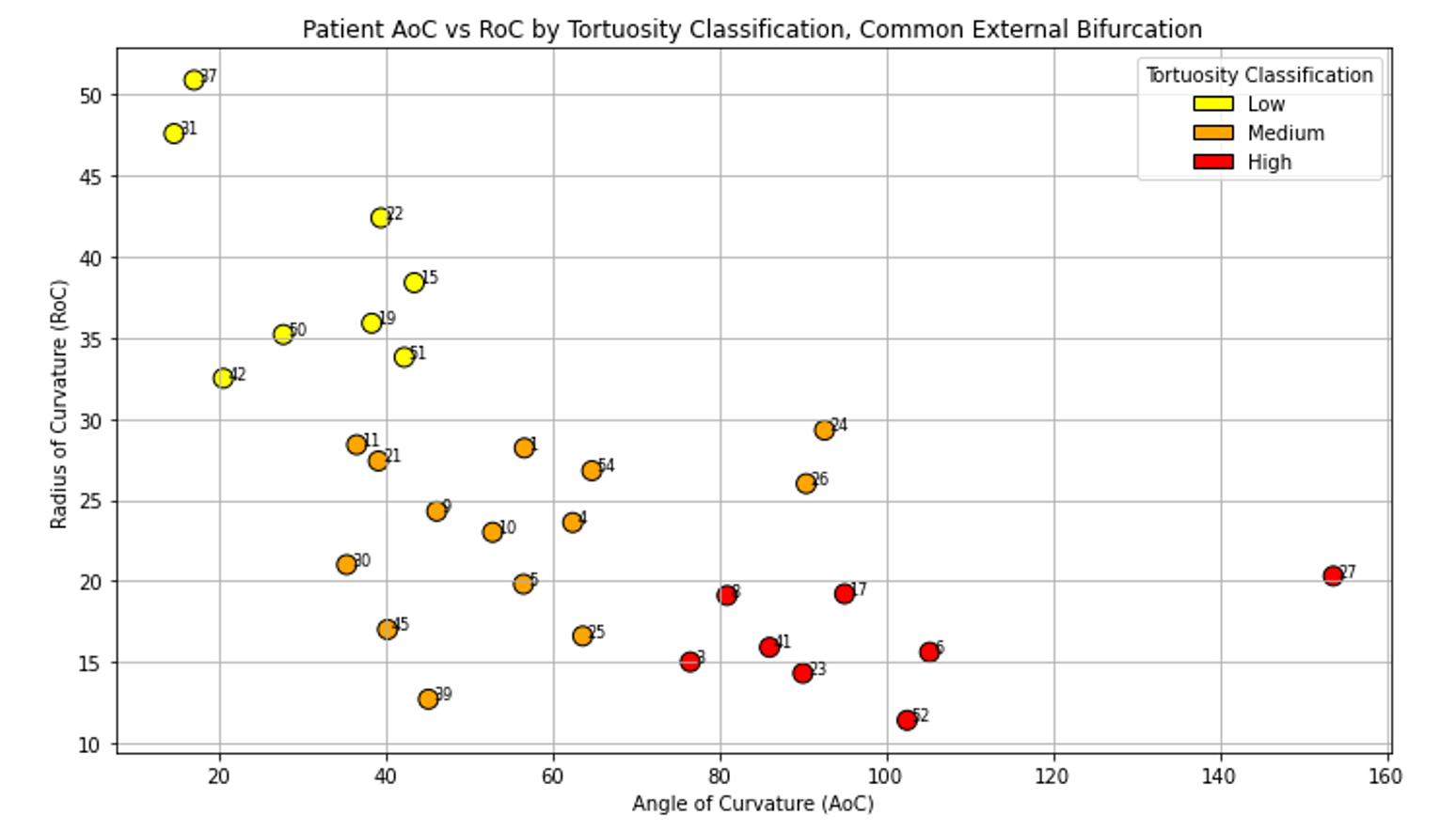
Since height can drastically influence tortuosity when looking at traditional tortuosity indices, I plotted a ratio of the angle of curvature in relation to the radius of curvature which essentially normalized the data across different heights. I could then select a statistical median for a patient which I could use to develop my anatomy for that particular artery.
User Needs Definition
From a process development standpoint, the project began as nothing more than a problem statement, with the creative direction of the project entirely left to me. In order to generate all of the design inputs I began with a competitive landscape analysis to identify what products were being designed for (i.e tackling calcium, CTO morphologies, etc) and reverse engineered characteristics that would benefit from being controlled in a simulation kit. I was then able to research the extent to which we characterize these parameters (i.e TACCS calcium score or stenosis severity classifications) which served as a basis for how I wanted to create "simulation" lesions.
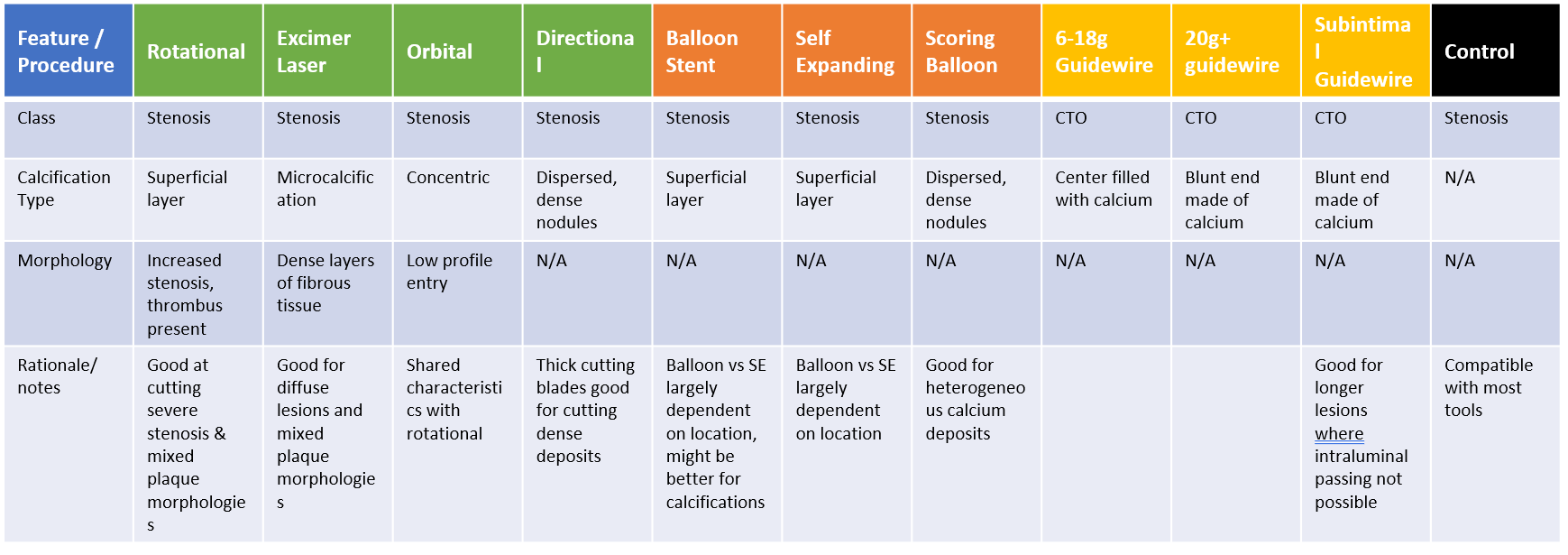
View more in the supplemental attachments, including my entire mindmap that I used to understand the clinical landscape.
Media
The final model ended up being incredibly successful and one of the most impressive projects that my manager has seen come out of an intern development timeline. I presented my work to the Kaleida Hospital network at the end of the summer.
View my video here (57:45 - 1:08:00)