


Project Vision:
Firelink was conceptualized as a distributed, autonomous system for early wildfire detection. The long-term vision is a network of smart drone bases deployed across national parks. These nodes would allow drones to communicate, share environmental data, and dynamically adjust flight paths to maximize monitoring coverage and enable a rapid, automated response.
My Role:
As Lead Engineer, I was responsible for the core system integration and software development, guiding the project from concept to a functional, competition-ready prototype. My specific contributions included:
- Co-developing the drone's autonomous navigation and visual tracking system using Python, OpenCV, and ArUco markers.
- Developing the software to automate the custom-built landing pad using Arduino (C++), enabling it to manage automated takeoff, landing, and base enclosure sequences.
- Engineering the critical integration between the two systems: Python-based drone and the Arduino-powered landing pad to operate as a single, cohesive unit.
- Leading the iterative testing and refinement of the complete system, debugging both the navigation algorithms and the hardware/software integration to ensure reliable, independent operation.
Youtube Video showcasing the prototype test :
The Team:
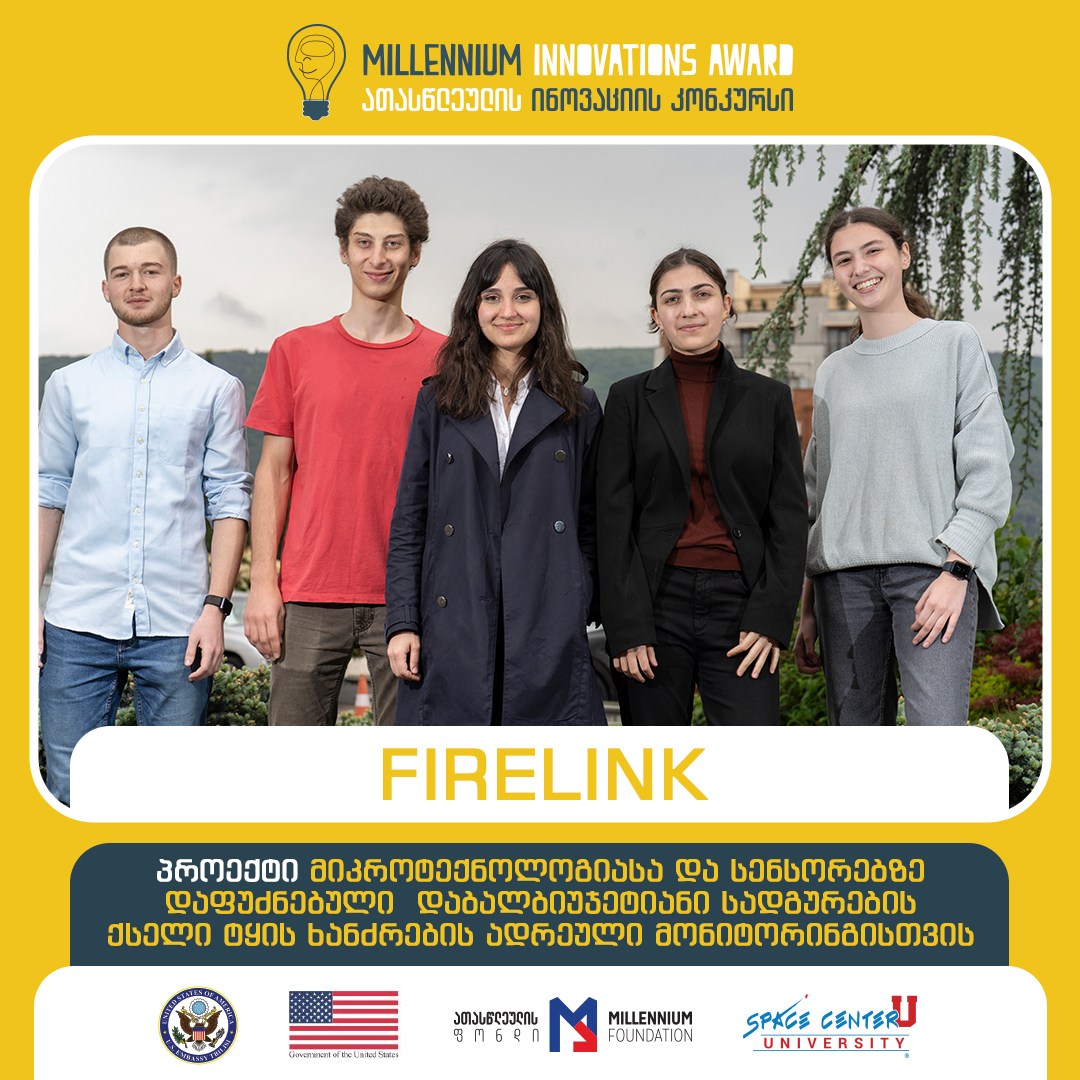 .
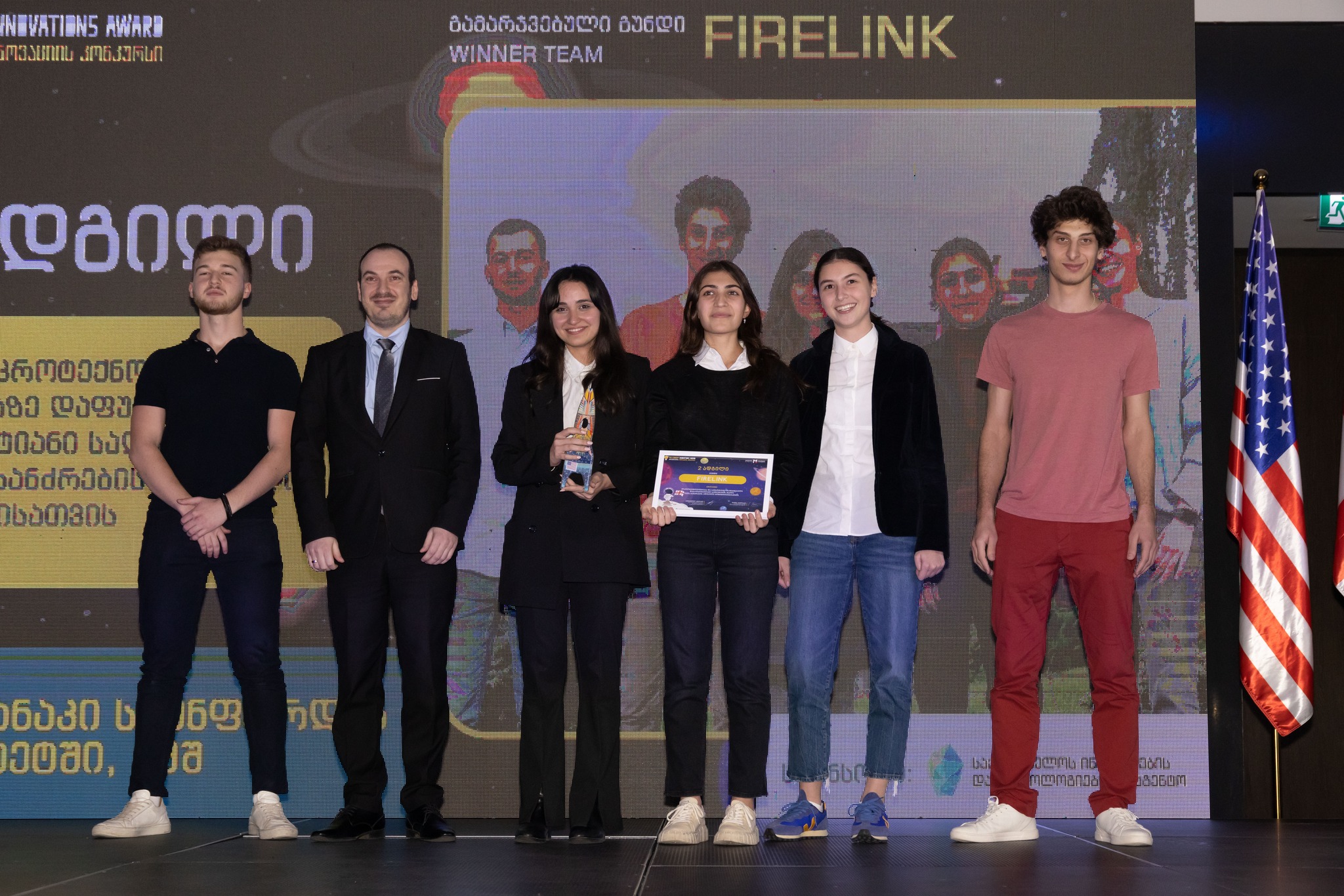
. 
Achievements:
The project successfully demonstrated a robust, automated detection cycle and was recognized for its technical integration and practical application, earning 2nd Place in Georgia's National Innovation Competition. As a result of this achievement, our team was awarded participation in the ID Tech program at Stanford University.